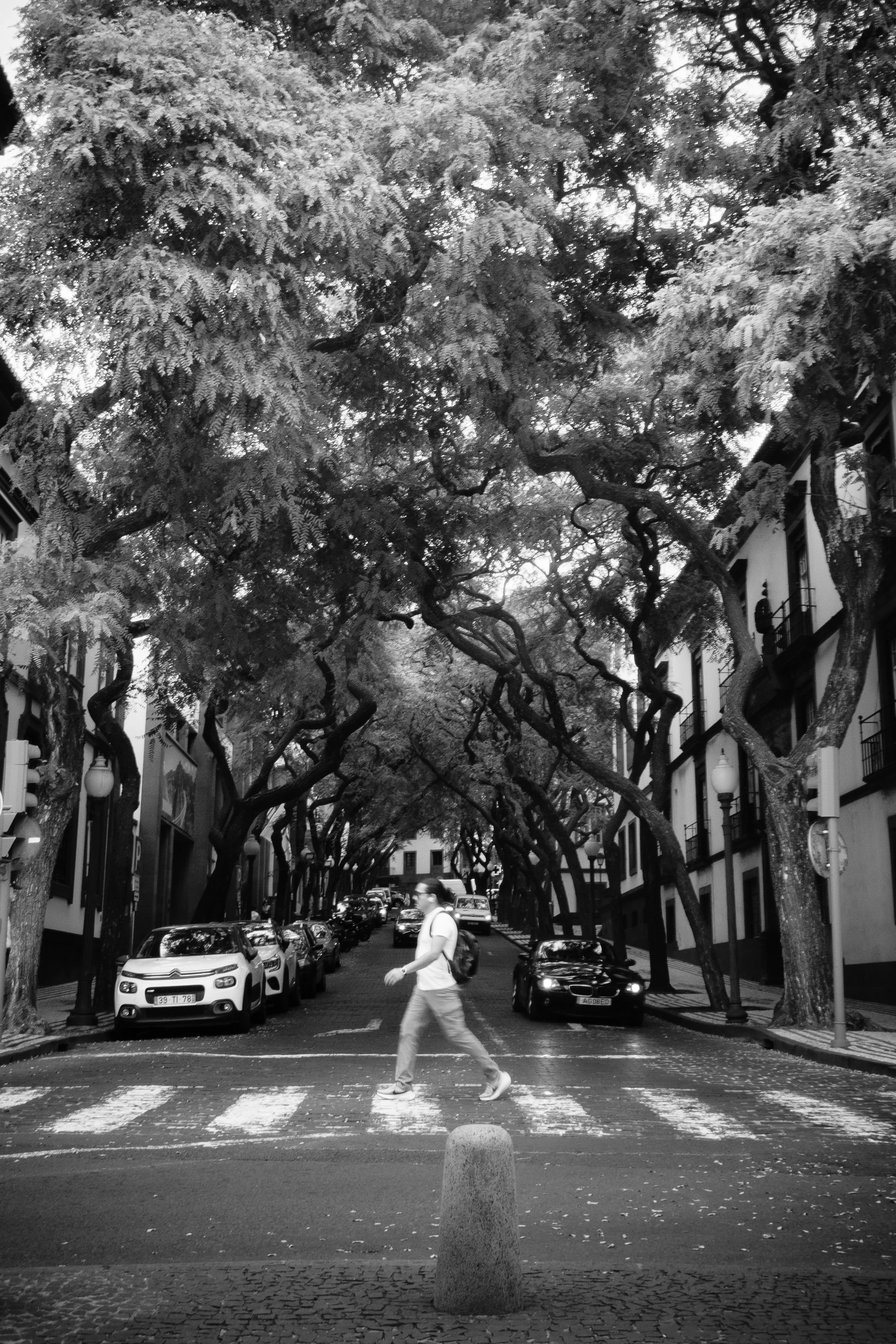
Learning to see what’s happening around me
I didn’t set out to become a street photographer.
In fact, when I first took a camera into town, I wasn’t entirely sure what I was looking for.
Most of my photography until then had involved something fairly obvious to photograph. A football match gives you action to follow. Wildlife gives you behaviour to watch for. A landscape gives you light, weather and a place to work with.
The street gives you… everything.
And, initially at least, that made it surprisingly difficult.
My first attempts were really exercises. I played with slow shutter speeds, tried panning passing cars and looked for ways of showing movement rather than simply freezing it. I photographed architecture, reflections and people passing through the frame. Mostly, I was learning what happened when I pointed the camera at ordinary life.
But somewhere along the way, something began to change.
I stopped thinking quite so much about what I could photograph and started paying more attention to what was happening around me.
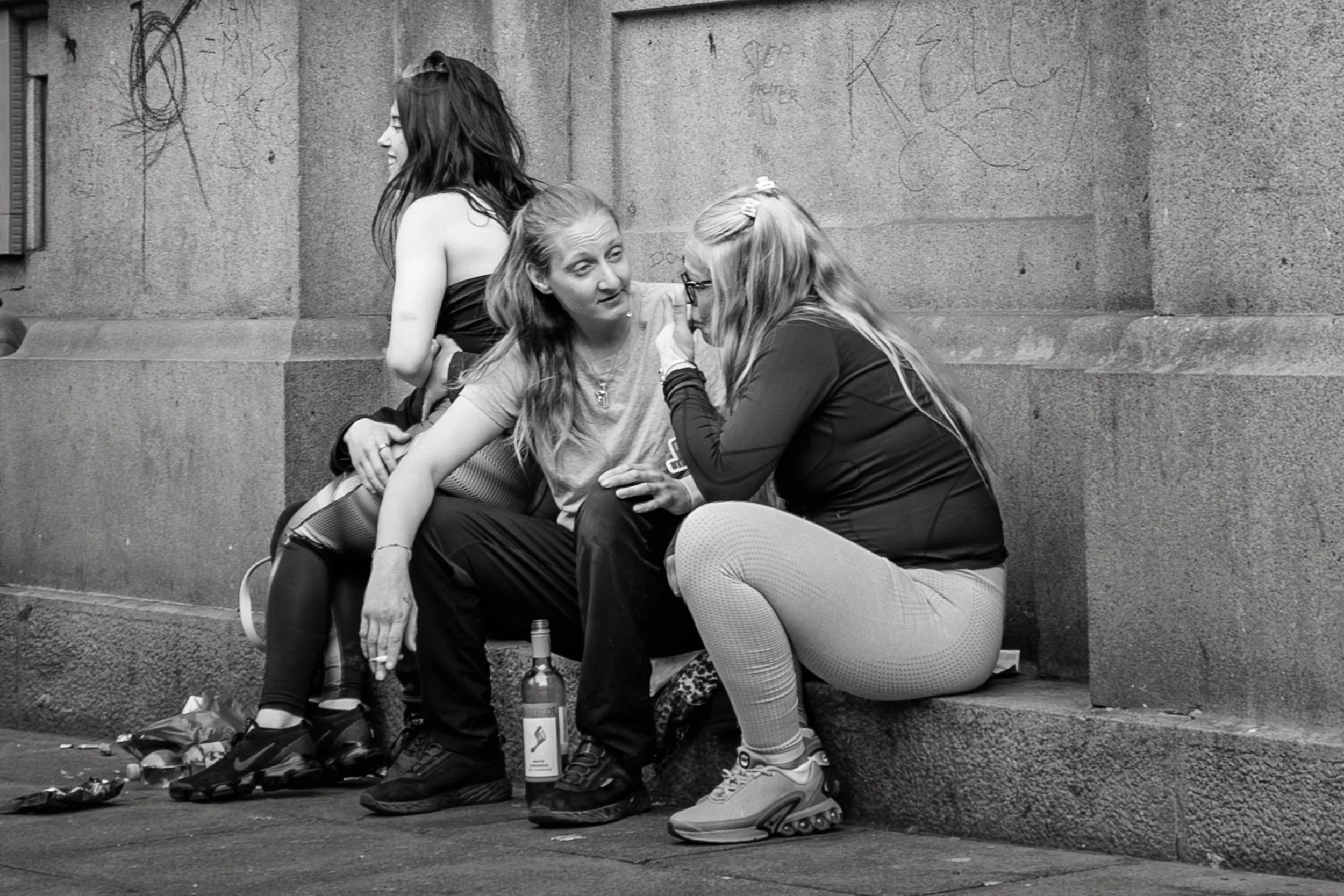
A conversation. A gesture. An expression.
Nothing particularly remarkable was happening — and perhaps that was the point.
I was beginning to realise that the photograph didn’t always need an event. Sometimes it was already there in the relationships between people, and I simply had to notice it.
Learning to move
At first, much of this was about technique.
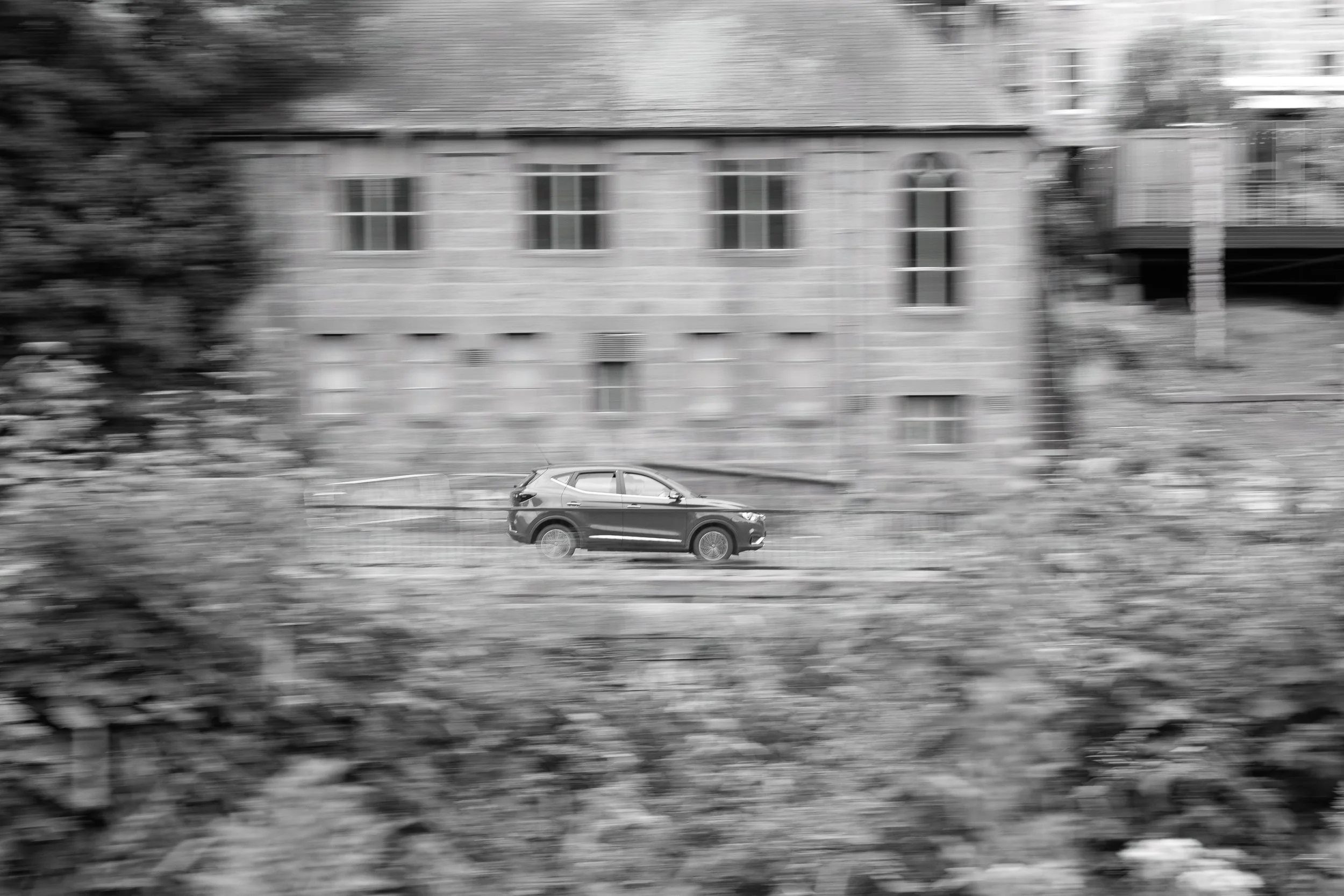
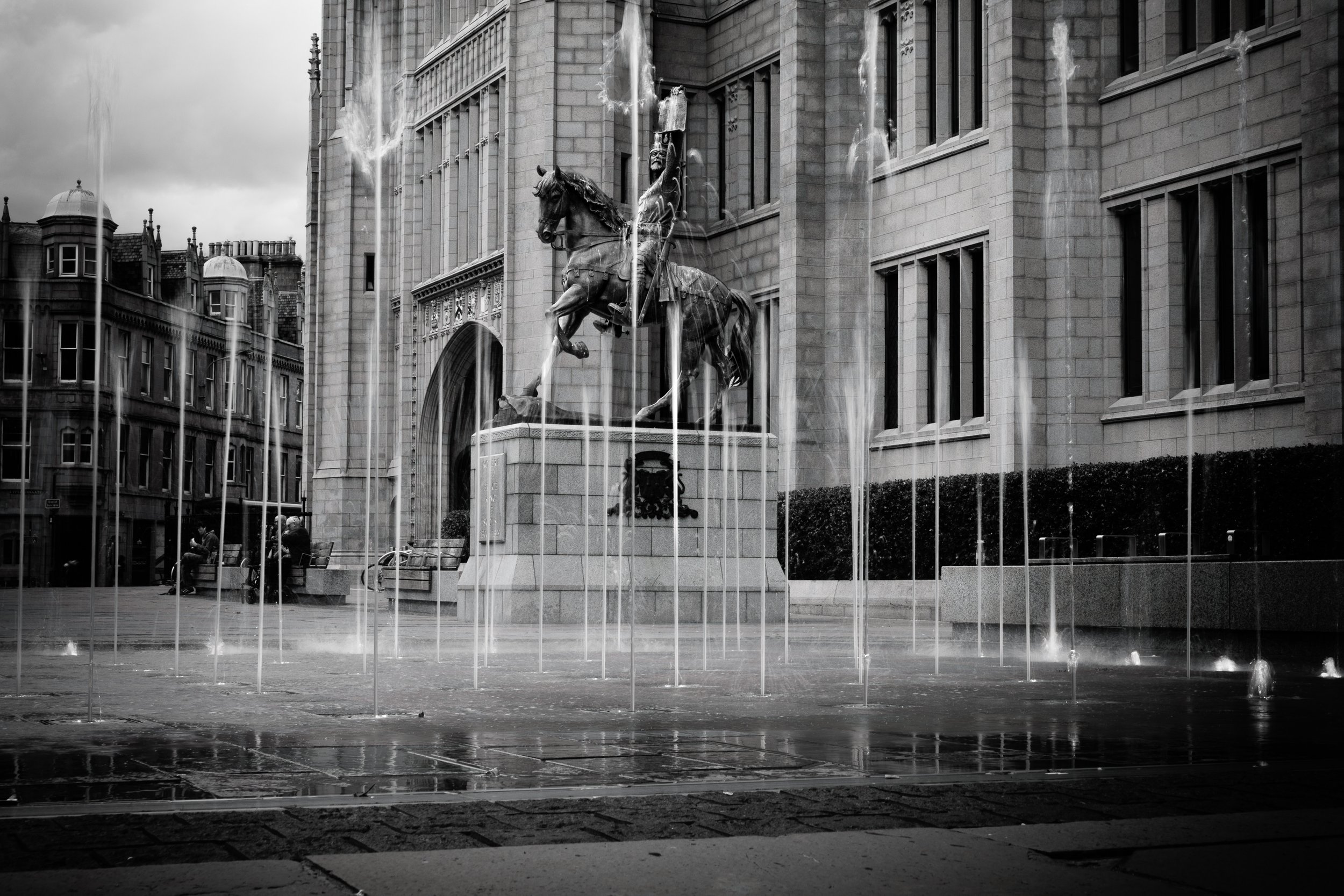
Slow shutter speeds gave me something to experiment with. Passing cars became opportunities to practise panning; fountains and people moving through the city became ways of exploring what happened when I stopped trying to freeze everything.
Not every experiment worked. That wasn’t really the point.
I was learning that movement could become part of the photograph rather than something the camera simply had to overcome.
Learning to wait
Edinburgh gave me something different to work with.
Instead of looking for a technique to practise, I began looking for situations that might become photographs. Reflections, layers, people passing through a scene — and, increasingly, moments that were worth waiting for.
I was beginning to understand that I didn’t always need to chase the photograph. Sometimes I could find the frame first and let life wander into it.
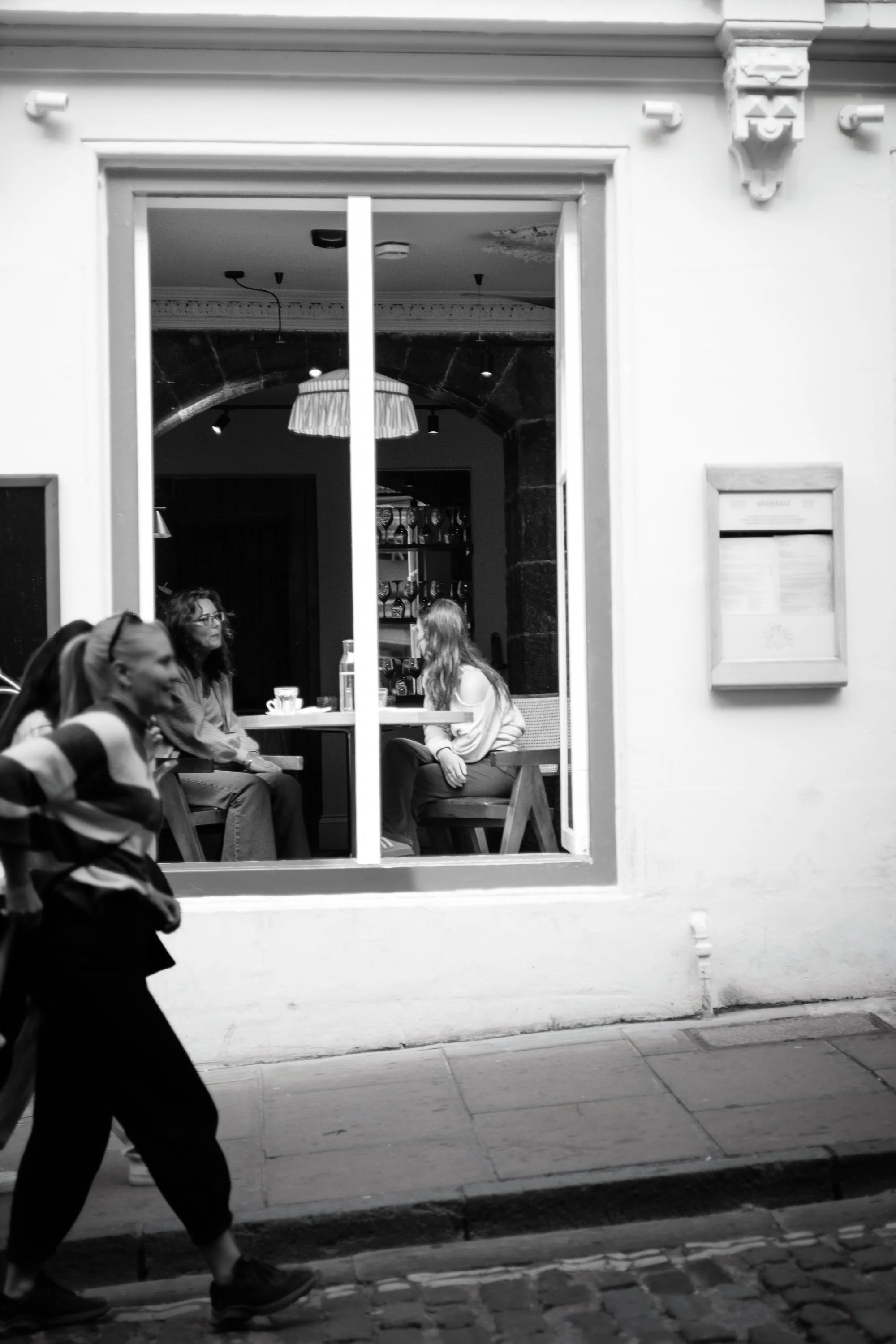
Sometimes the scene was already there. The difficult part was recognising when all the little pieces briefly came together.
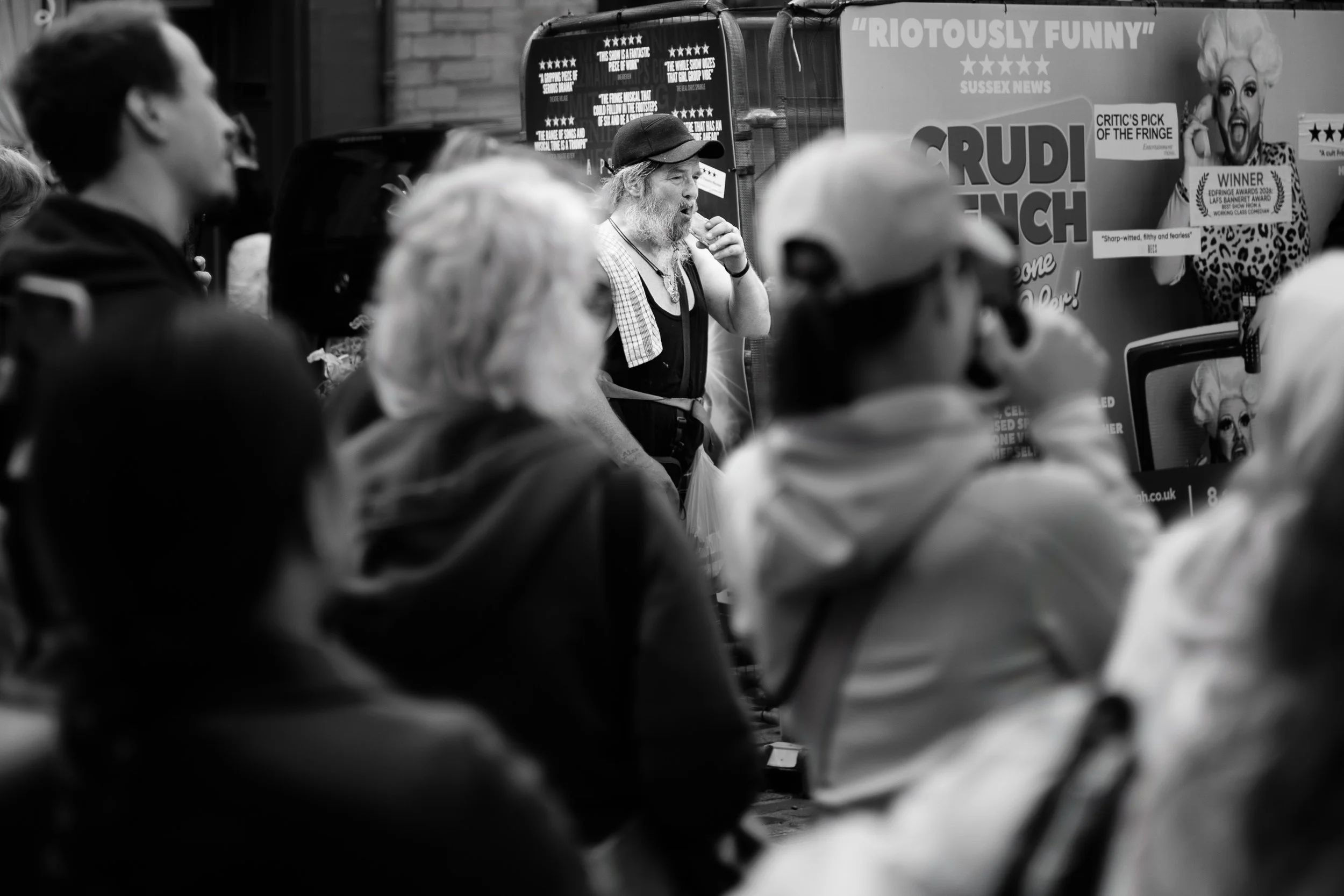
Finding the frame
Newcastle was also my first trip with a genuinely pocketable camera.
It changed things more than I expected. I could sit, watch and shoot from the screen without making quite such an event of taking a photograph. The camera felt less like something I had to operate and more like something that could simply be there when I noticed something.
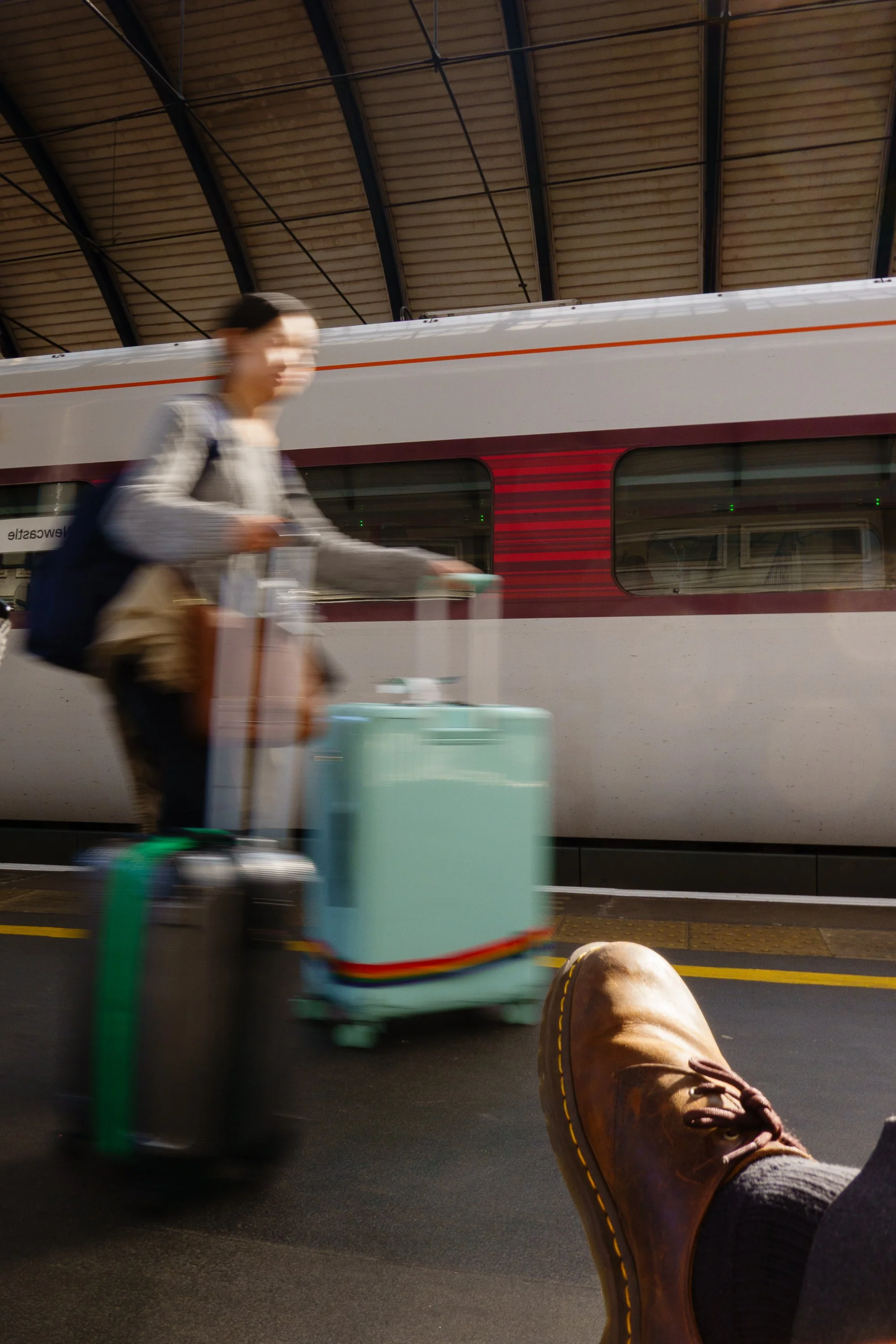
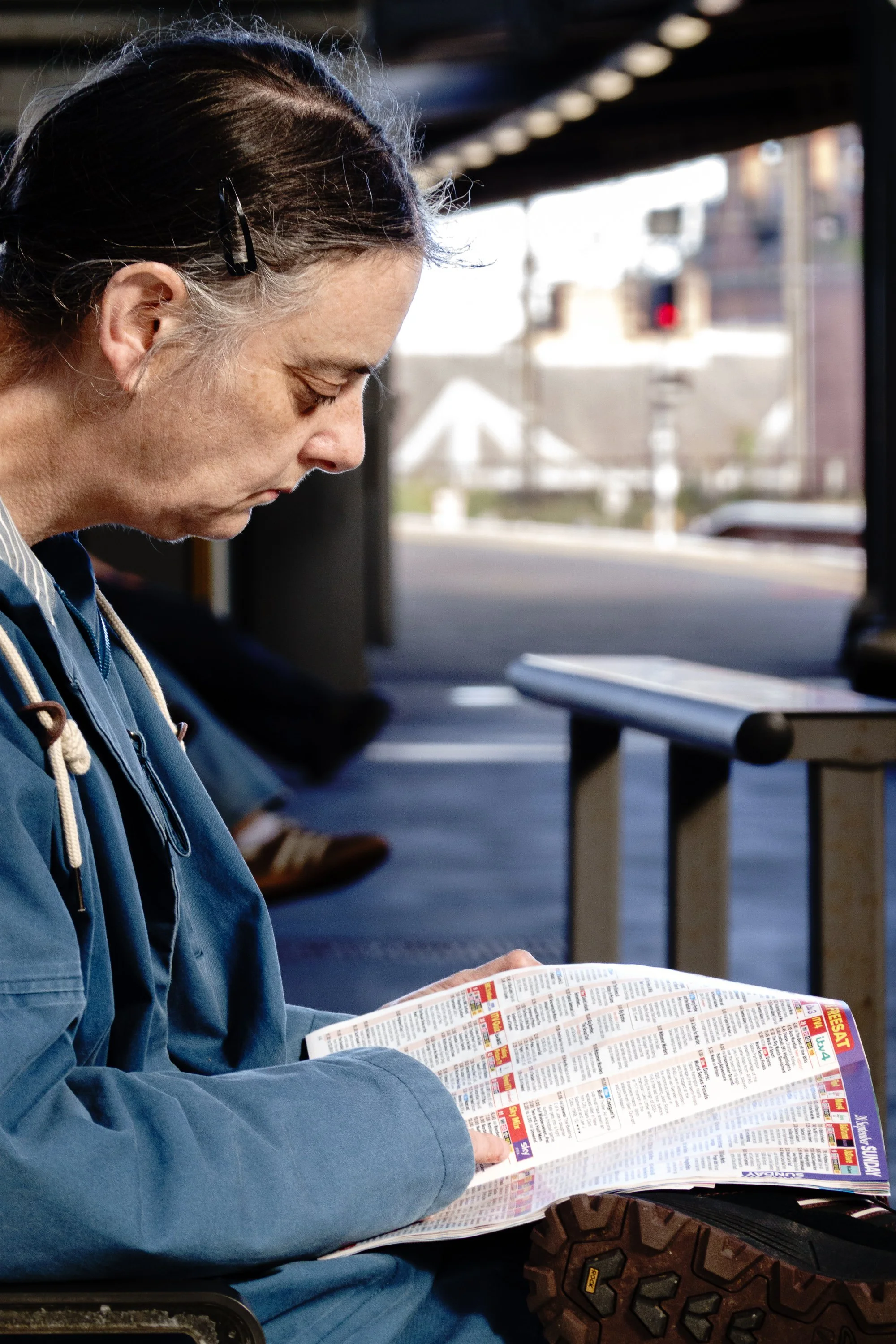
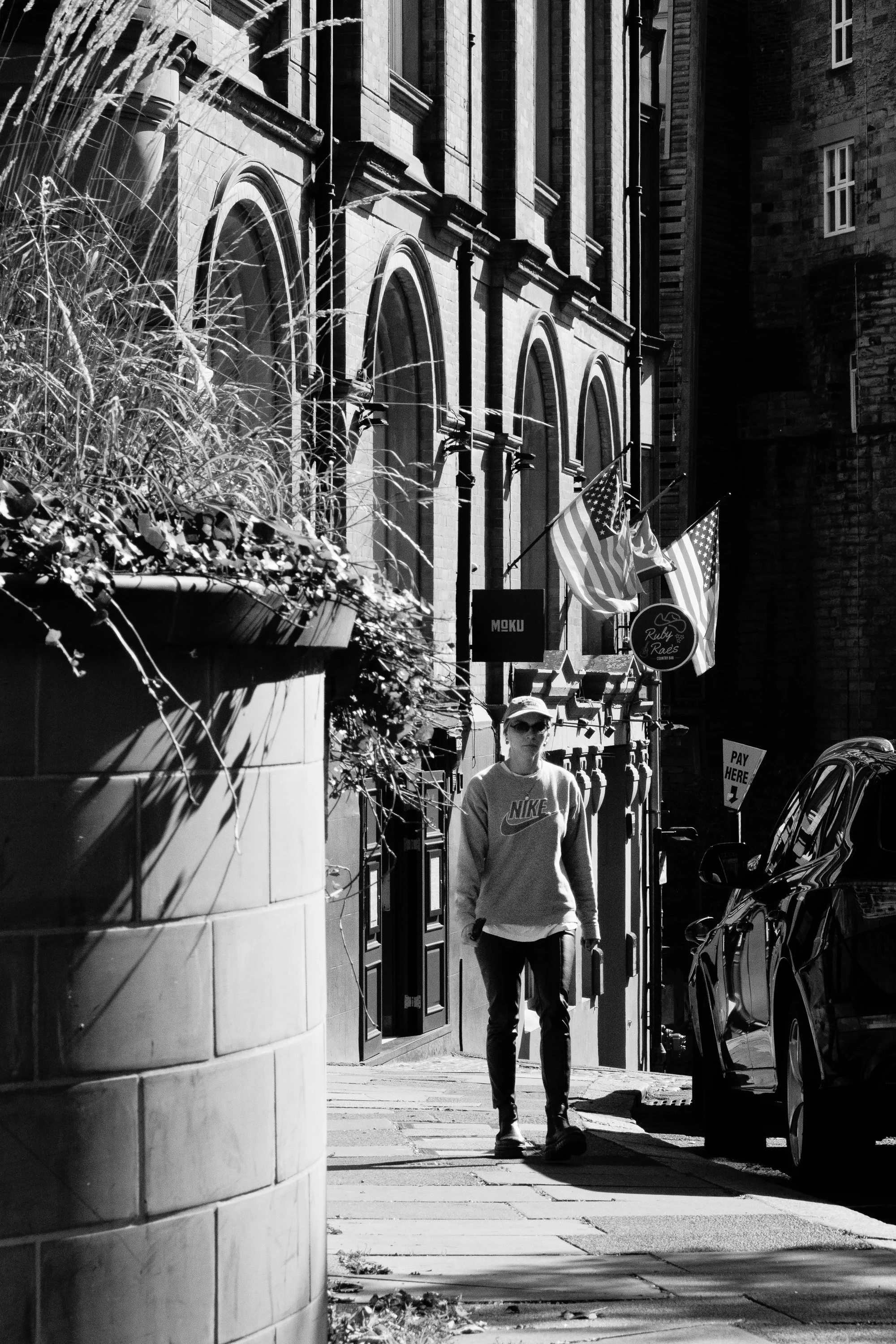
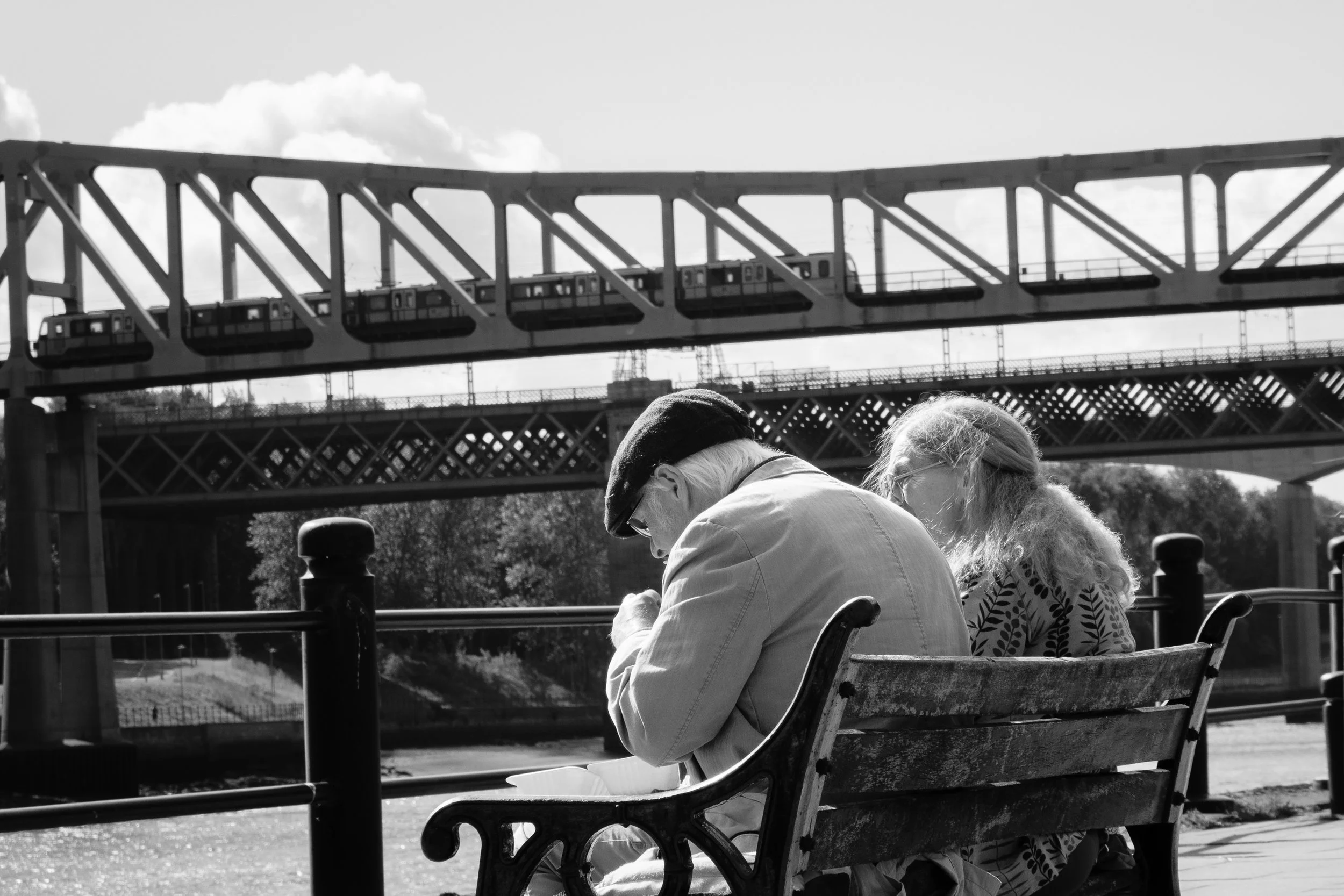
I was also becoming more interested in where people were, rather than simply what they looked like.
A station, a bench, a passing train — ordinary places started to feel less like backgrounds and more like part of the photograph.
Taking it with me
A couple of weeks later, I took the same little camera to Portugal.
By then I was already beginning to trust it — and perhaps, more importantly, trust myself with it.
I wasn’t thinking quite so much about settings or whether something qualified as “street photography”. I carried the camera, walked, watched and reacted when something caught my attention.
More and more, the camera was getting out of the way.
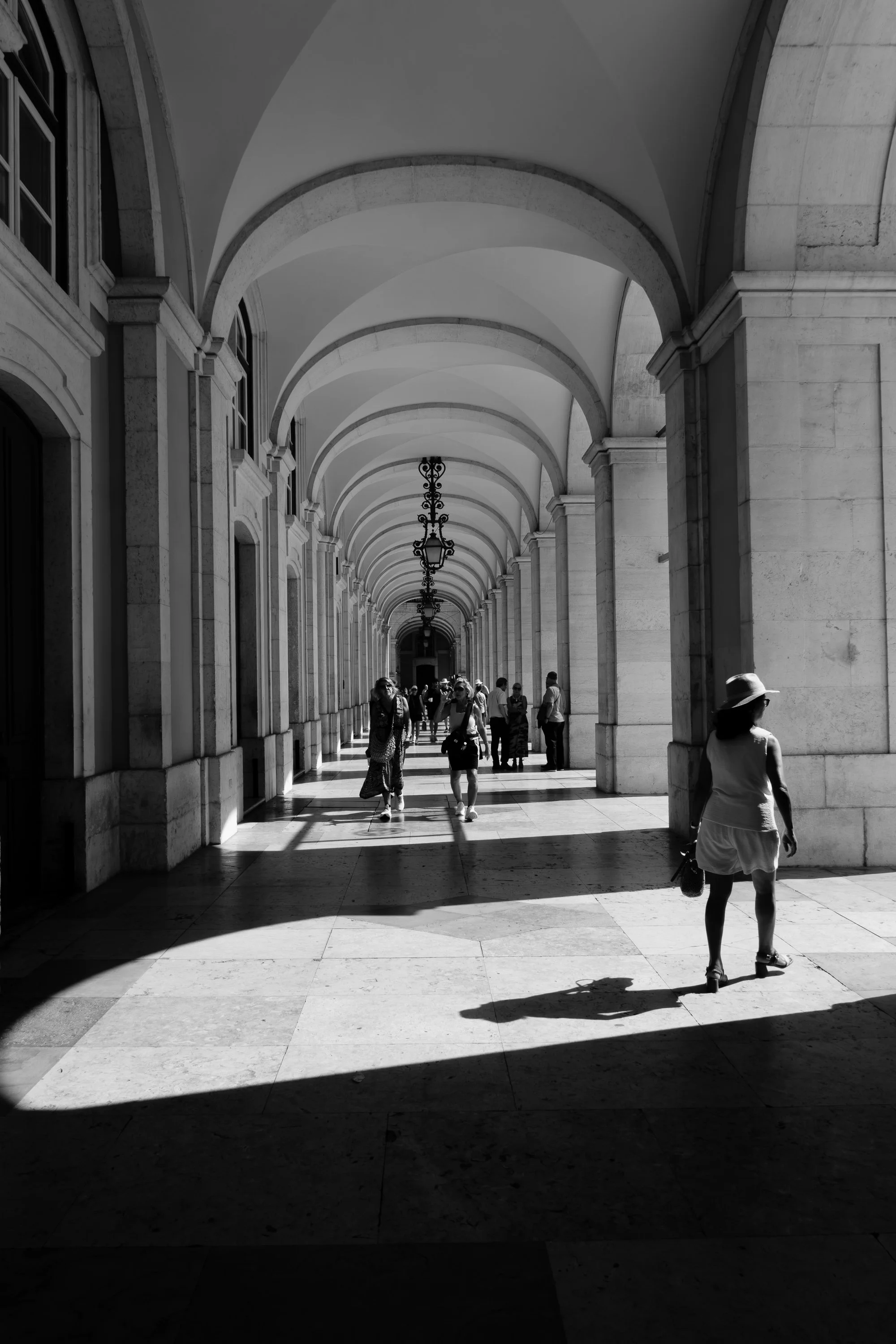
Lisbon offered frames everywhere — arches, shadows, reflections, crowds and sudden patches of light.
Increasingly, the challenge wasn’t finding something to photograph. It was deciding what to leave out.
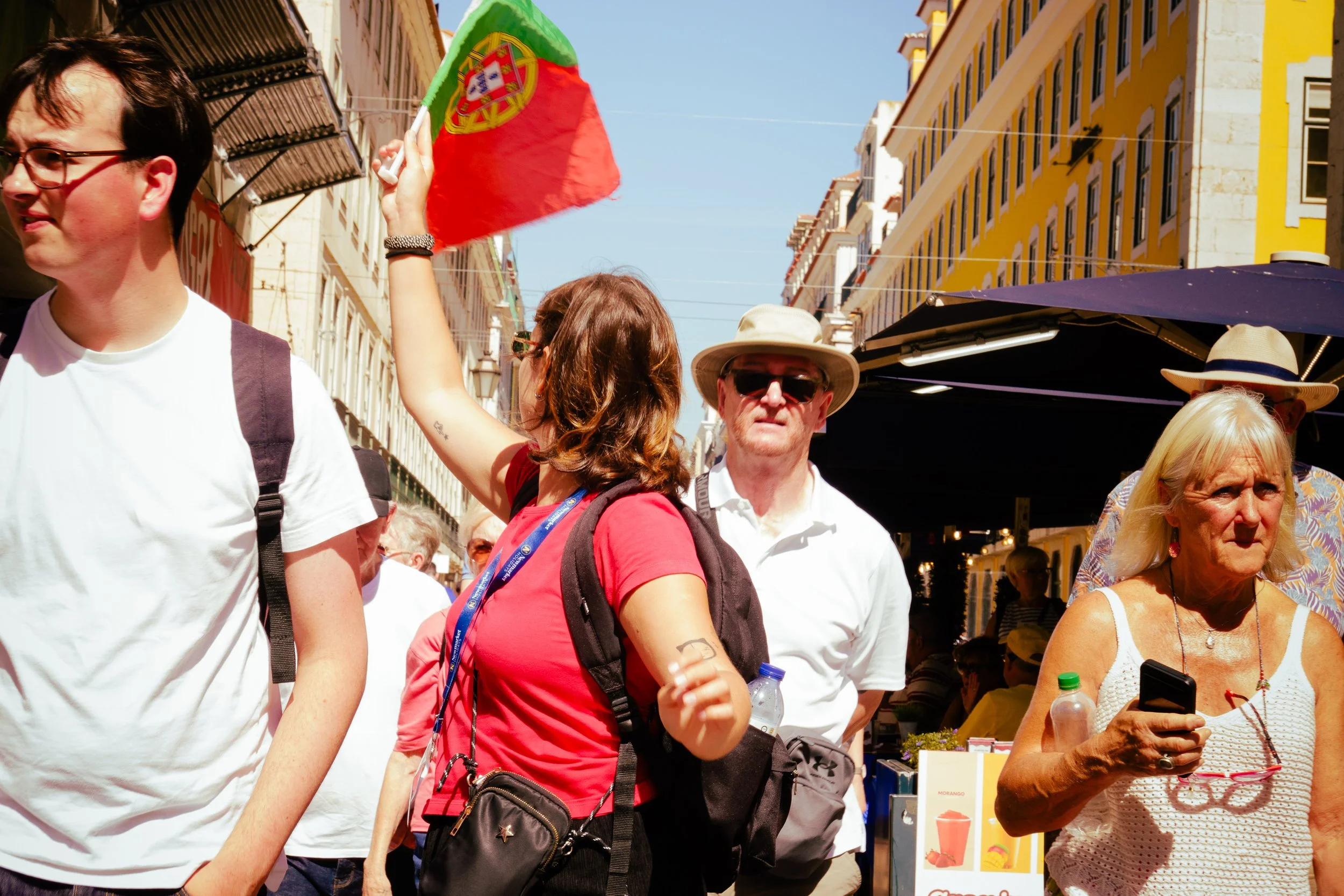
Small moments
Madeira brought another change of pace.
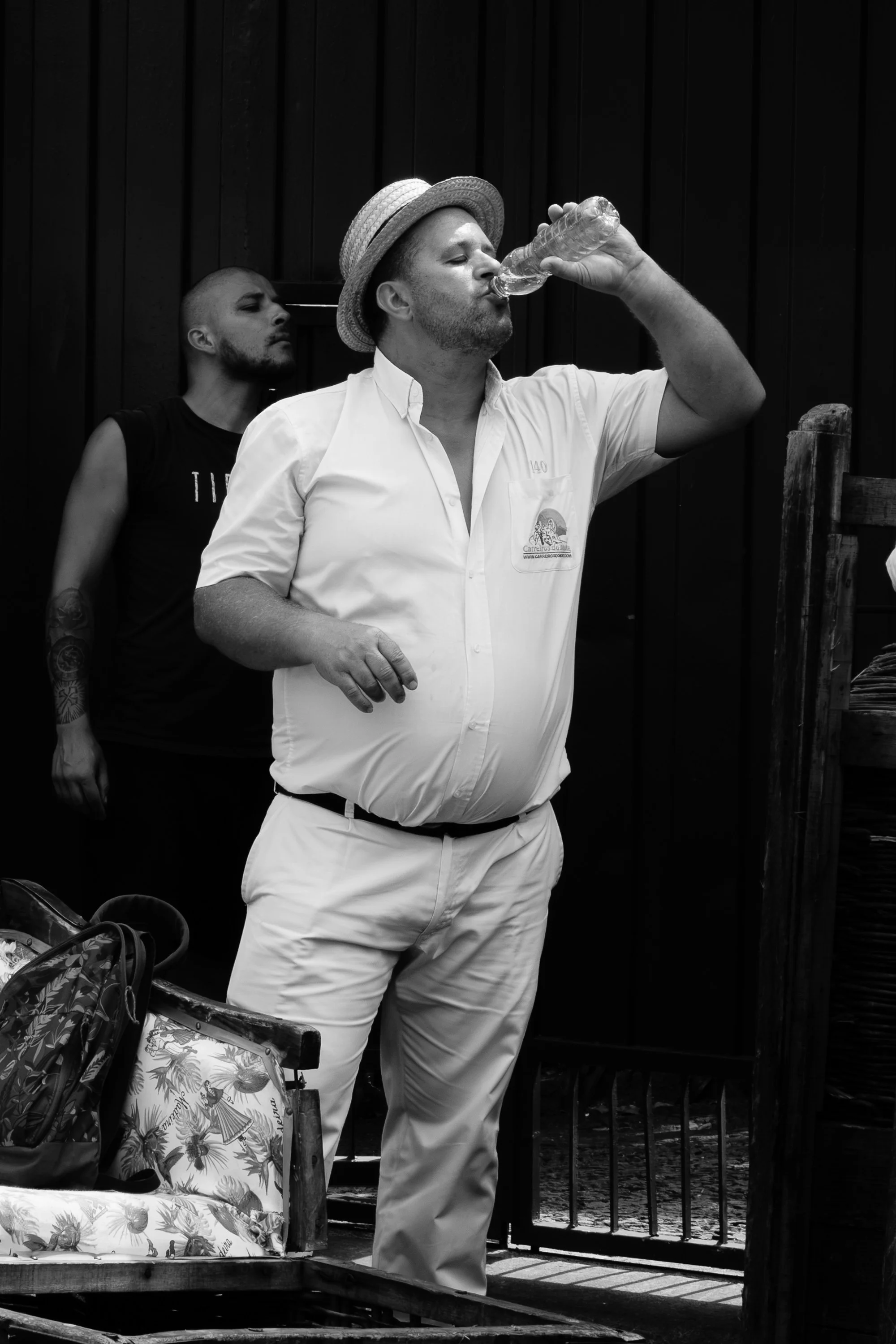
I was still drawn to the obvious things — places, traditions and people at work — but increasingly it was the moments around them that interested me more.
A pause. A drink of water. The few seconds between whatever was supposed to be happening.
The things that make me stop
And then there are photographs I don’t entirely understand myself.
This was one of them.
Nothing was happening. The figure wasn’t even a person. But something about the scene stopped me. It felt unsettling, slightly dystopian and strangely human.
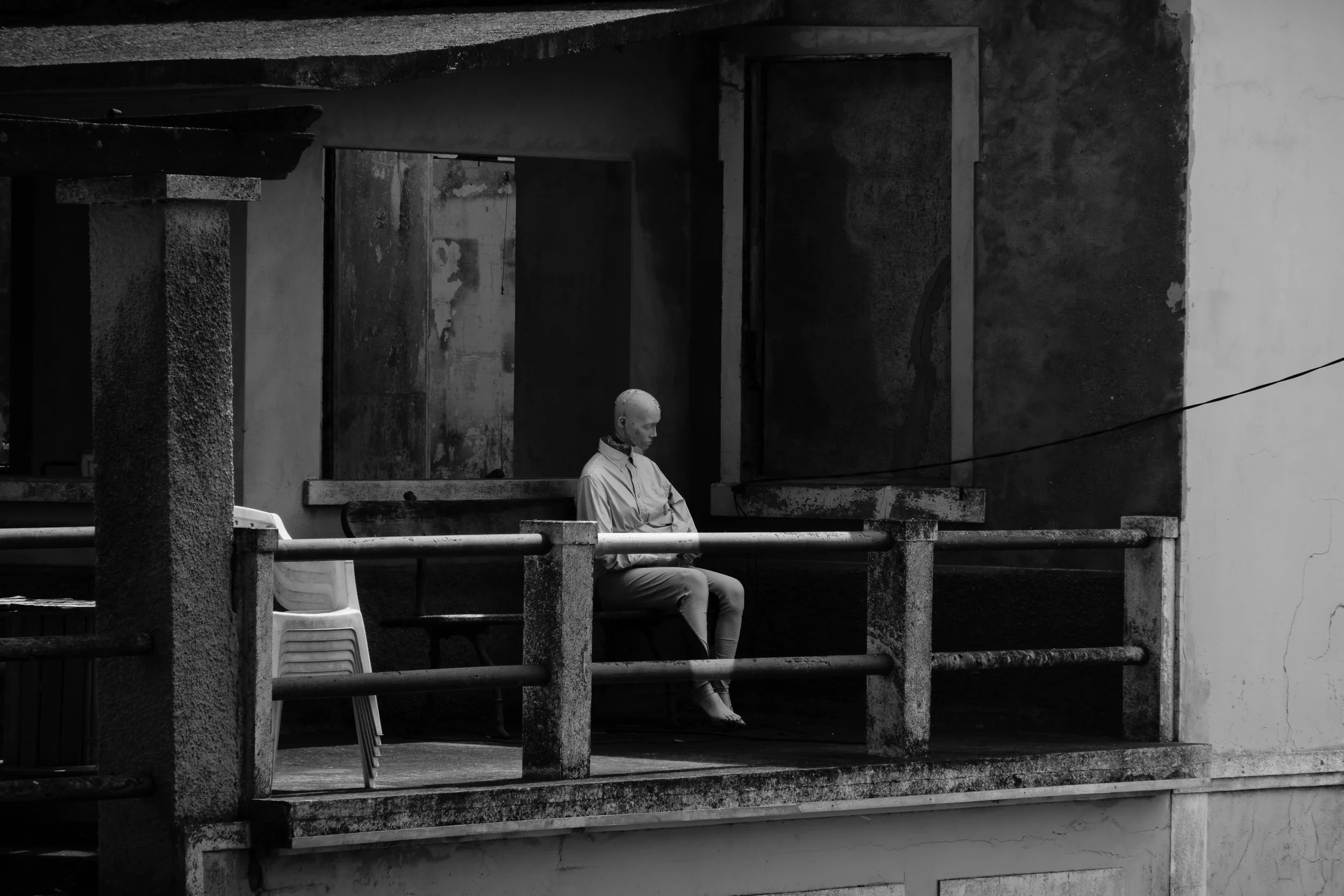
Perhaps learning what makes me stop is becoming as important as learning when to press the shutter.
I’m certainly not finished learning street photography. I’m not even sure I know exactly what I want my street photography to become.
But perhaps that’s part of the attraction.
I’ve become more comfortable waiting, more interested in ordinary moments and more willing to trust the things that make me stop and look.
Most importantly, I’m noticing things I would once have walked straight past.
For now, that feels like progress.